Creating a home office that is both relaxing and productive can make a significant difference to your workday. With more people working from home, the need for a dedicated and well-designed workspace has become increasingly important. A comfortable environment helps reduce stress and distractions, while promoting focus and creativity. This guide offers practical tips for setting up a home office that supports your wellbeing and work goals.
Choose the Right Location
The first step is selecting the ideal spot for your office. Ideally, pick a quiet area away from high-traffic zones in your home to minimise interruptions. If space is limited, a corner in a less-used room or even a nook by a window can work well.
If possible, choose a space with natural light. Exposure to daylight helps regulate your body clock and can improve mood and concentration. If natural light is scarce, invest in quality artificial lighting that mimics daylight to keep your space bright and inviting.
Invest in Comfortable Furniture
An ergonomic chair and desk are vital for maintaining good posture during long work sessions. Look for chairs that provide good lumbar support and allow for height adjustment. Your desk should be at a comfortable height that lets your arms rest naturally while typing or writing.
Consider a sit-stand desk if you want the flexibility to alternate between sitting and standing, which can help reduce fatigue and improve circulation.
Keep Your Office Organised
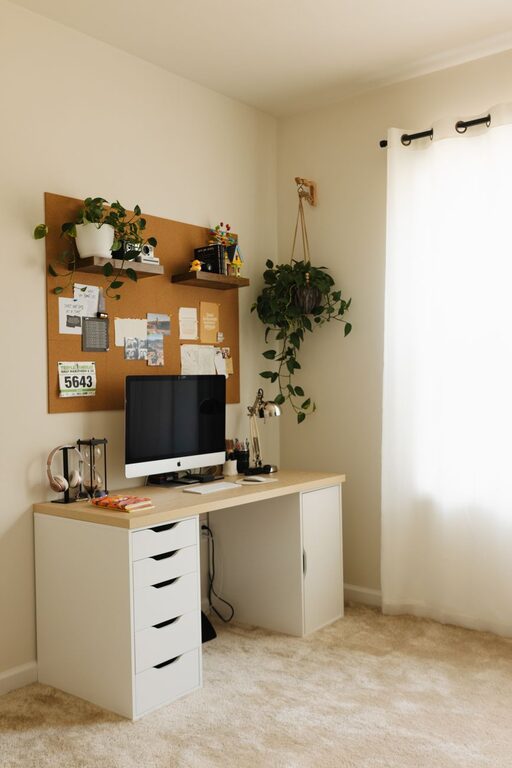
A tidy workspace helps create a calm atmosphere and reduces distractions. Use storage solutions such as shelves, filing cabinets, or organisers to keep papers, stationery, and equipment neatly stored.
Regularly declutter your desk to keep only the essentials within reach. Consider using cable management tools to keep cords organised and out of sight.
Add Personal Touches
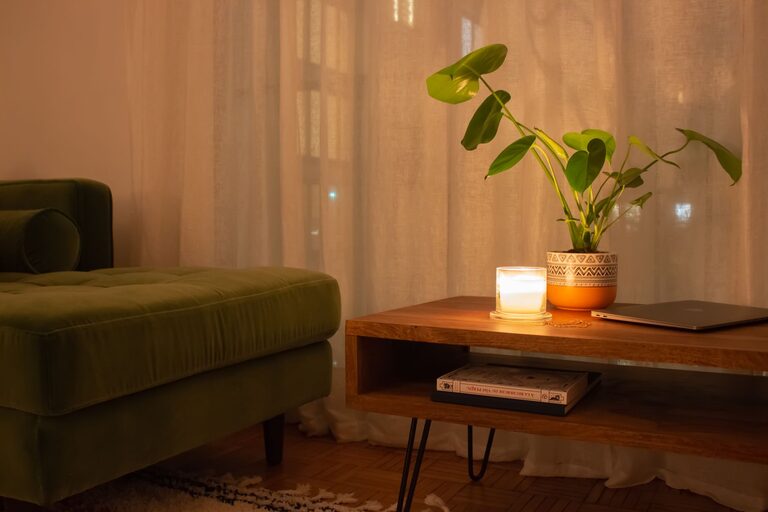
Personalising your workspace can make it feel more inviting and motivating. Display a few photographs, plants, or artwork that inspires you. Green plants not only add colour but can also improve air quality and create a sense of calm.
Choose colours for your office decor that promote relaxation and focus. Soft blues, greens, and neutral tones work well for creating a peaceful environment.
Control Noise Levels
If noise is an issue, consider using headphones or white noise machines to help drown out background sounds. If possible, use rugs, curtains, or wall hangings to absorb sound and reduce echo.
For those who enjoy music while working, create a playlist of calming or instrumental tracks that help maintain concentration.
Optimise Technology Setup
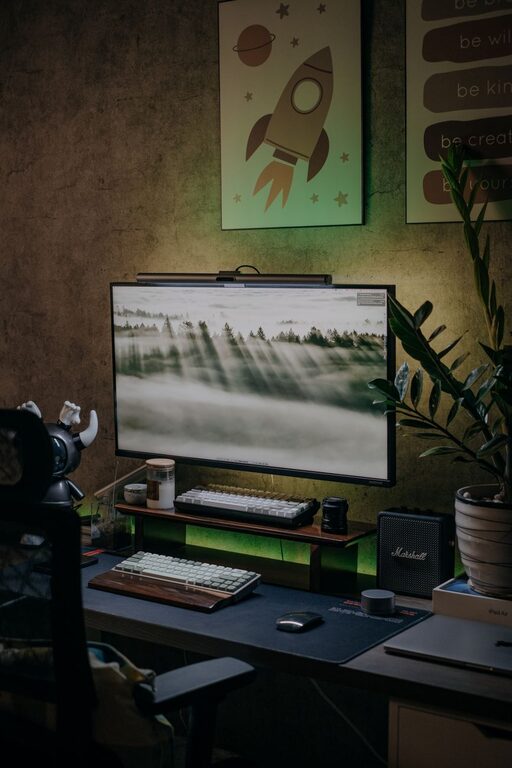
Ensure your computer, monitor, keyboard, and mouse are set up for comfort and efficiency. Position your monitor at eye level to reduce neck strain, and use an external keyboard and mouse if working on a laptop.
Keep chargers, printers, and other devices organised to avoid clutter, and maintain a stable internet connection to minimise frustration.
Establish Boundaries and Routine
Designate your workspace as a “work-only” zone to help mentally separate work time from relaxation time. Establishing a daily routine with regular breaks can boost productivity and prevent burnout.
Use task lists or planners to organise your day, but also schedule short pauses to stretch, hydrate, or simply breathe. Creating a balance between focus and rest is key to sustained productivity.
Pay Attention to Air Quality and Temperature
Fresh air and a comfortable temperature can greatly influence how well you concentrate. If possible, open a window regularly to circulate fresh air. A small desk fan or heater can help maintain a temperature that keeps you comfortable throughout the day.
Practice Good Lighting Habits
Avoid harsh overhead lighting that may cause glare or headaches. Position your desk lamp to provide adequate light without creating shadows on your workspace. Using dimmable lamps allows you to adjust lighting according to the time of day or task.
Incorporate Relaxation Techniques
Consider creating a small area in your office for relaxation activities, such as meditation or stretching. Even a comfortable chair with a cushion or a yoga mat rolled up nearby can remind you to take moments away from the desk.
Simple practices like deep breathing or mindfulness exercises during breaks can reduce stress and enhance your focus.
—
Creating a home office that is both relaxing and productive involves thoughtful planning and attention to comfort, organisation, and personal needs. By incorporating the tips above, you can design a space that supports your work while promoting wellbeing. This balance not only improves your professional efficiency but also helps maintain a healthy relationship between your work and home life.
About the Author