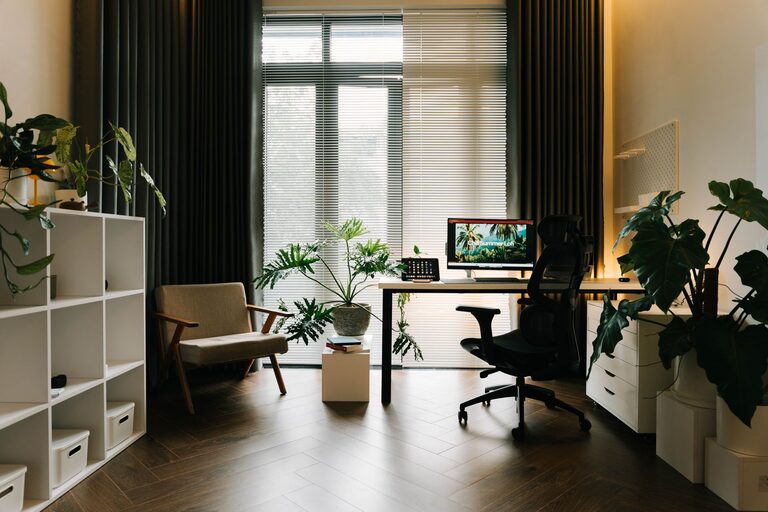
Creating a comfortable and efficient home workspace is essential for anyone working remotely or balancing home and work life. A well-designed area can improve focus, reduce stress, and increase overall productivity. Whether you have a dedicated room or a small corner, these practical tips will help you set up a relaxing yet effective workspace at home.
Choose the Right Location
Consider Natural Lighting
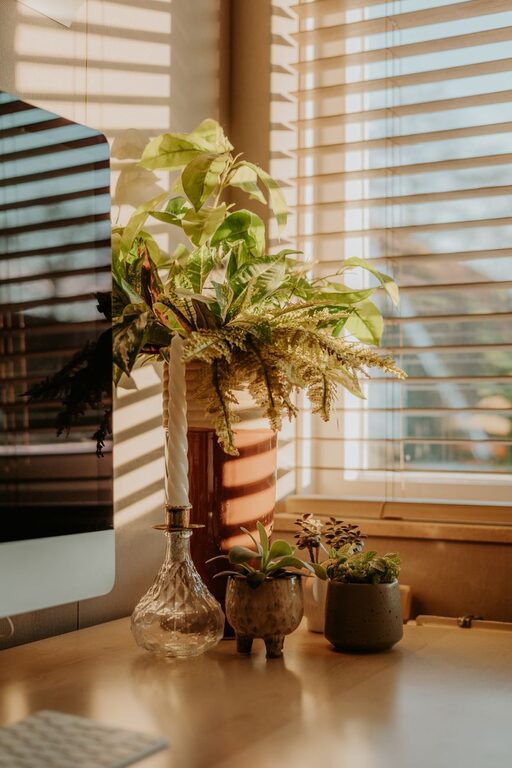
Natural light has been shown to boost mood and energy levels, so if possible, position your workspace near a window. This will help reduce eye strain and make your work environment feel more uplifting.
Minimise Distractions
Select a spot away from busy family areas, noisy appliances, or high foot traffic. Quiet surroundings contribute to better concentration and fewer interruptions.
Use a Dedicated Space
Having a specific area reserved solely for work helps create a boundary between professional and personal life. Even a small desk in a quiet corner counts.
Invest in Comfortable Furniture
Ergonomic Chair
A good chair with proper lumbar support is crucial. Sitting for long periods can cause discomfort or injury without proper back support.
Appropriate Desk Height
Your desk should allow your elbows to rest comfortably at a 90-degree angle when typing. This helps avoid strain on your wrists and shoulders.
Adjustable Equipment
If possible, use an adjustable chair or desk so you can customise your setup to your comfort needs. Standing desks or sit-stand converters can promote movement throughout the day.
Organise for Efficiency
Declutter Regularly
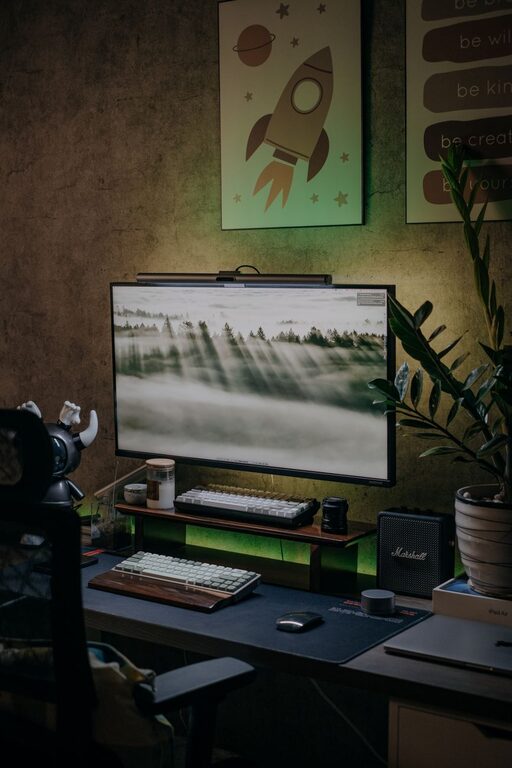
A tidy workspace reduces mental clutter and distractions. Clear your desk at the end of each day and keep only the essentials within reach.
Use Storage Solutions
Drawers, shelves, and containers can keep stationery, documents, and gadgets organised. Labelled boxes or trays make it easy to locate items quickly.
Plan Cable Management
Manage cables neatly using clips, sleeves, or cord organisers to avoid a tangled mess and improve the overall appearance of your workspace.
Personalise Your Space
Add Plants
Indoor plants improve air quality and create a calming atmosphere. Choose low-maintenance varieties like succulents or peace lilies.
Display Inspiring Items
Photos, artwork, or motivational quotes can boost your mood. Personal touches make the space more inviting and enjoyable.
Choose Calming Colours
Soft, neutral tones such as pale blues, greens, or greys promote relaxation. Avoid overly bright or harsh colours that may cause distraction.
Prioritise Good Lighting
Layered Lighting
Combine natural light with task lighting, such as a desk lamp, to ensure your workspace is well-lit at all times.
Avoid Glare
Position screens and lights to reduce glare and reflections, which can cause eye fatigue.
Use Warm Light
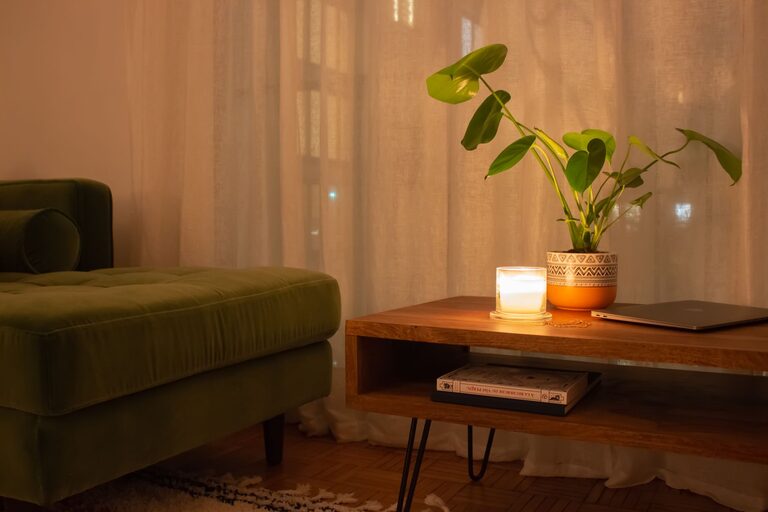
Opt for warm or neutral-coloured bulbs instead of cool, blue-tinted light for a more comfortable working environment.
Incorporate Break Zones
Designate a Rest Area
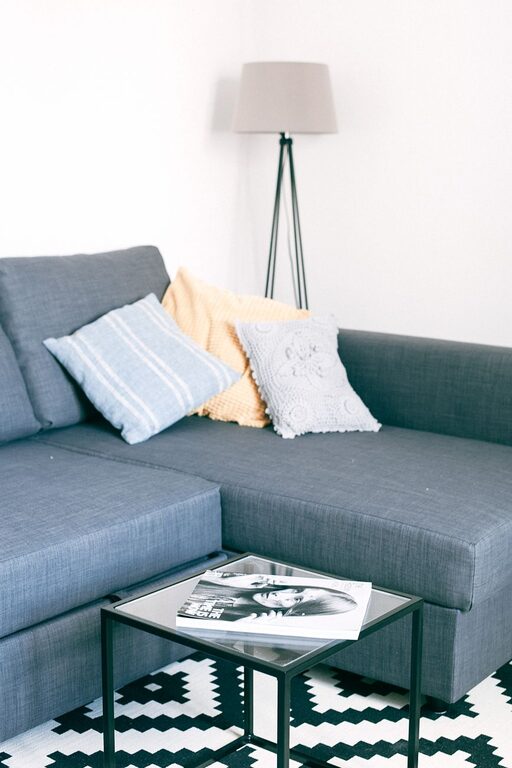
If possible, set up a small spot away from your desk to take breaks. This could be a cosy chair or a corner with cushions.
Use Mindful Breaks
Taking brief, regular breaks to stretch, breathe, or hydrate helps maintain focus and prevents burnout.
Encourage Movement
Incorporate simple stretches or walking around your space to promote circulation and reduce sedentary strain.
Optimise Technology and Tools
Reliable Equipment
Invest in a good-quality computer, headset, and internet connection to avoid technical issues that disrupt your workflow.
Noise-Cancelling Headphones
In busy homes or noisy environments, noise-cancelling headphones help maintain concentration.
Use Productivity Apps
Digital tools for time management, task tracking, or focus techniques (like the Pomodoro method) can aid efficient working.
Maintain Healthy Habits
Set Work Hours
Establish clear start and finish times to maintain work-life balance. This helps reduce overworking and stress.
Create a Morning Routine
Prepare your workspace and yourself to signal the start of the workday, such as stretching or enjoying a cup of tea before sitting down.
Keep Hydrated and Nourished
Have water and healthy snacks accessible to keep energy levels steady.
Conclusion
Setting up a home workspace that is both relaxing and productive does not require a large budget or space. By carefully choosing your location, investing in comfort, keeping things organised, and adding personal touches, you create an environment that supports your best work. Remember to prioritise good lighting, take breaks, and maintain healthy habits to make working from home a positive experience. With these tips, your workspace will become a place where creativity flourishes and stress diminishes.
About the Author