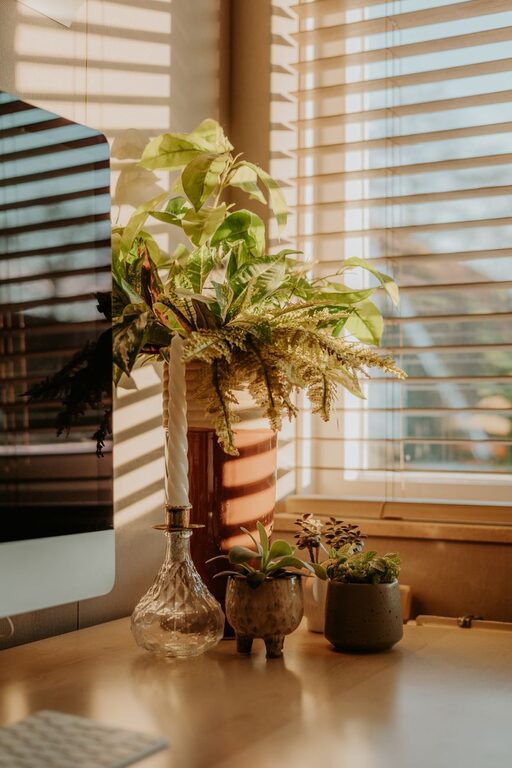
Creating a relaxing home workspace is essential for maintaining focus and nurturing your wellbeing, especially as more people embrace remote working. A thoughtfully designed environment not only boosts productivity but also helps reduce stress and enhances overall job satisfaction. In this guide, we’ll explore practical tips to help you craft a workspace that feels comfortable, organised, and inspiring.
Choose the Right Location
Selecting the best spot for your workspace sets the tone for your whole day.
– Natural Light: Position your desk near a window if possible. Natural light improves mood and alertness.
– Quietness: Find a location with minimal distractions to maintain concentration.
– Comfort: Consider temperature, ventilation, and noise levels to ensure a pleasant environment.
Remember, your workspace doesn’t need to be a separate room—it could be a quiet corner or a nook with enough space for your essentials.
Invest in Ergonomic Furniture
Comfortable furniture is key to working well and avoiding strain.
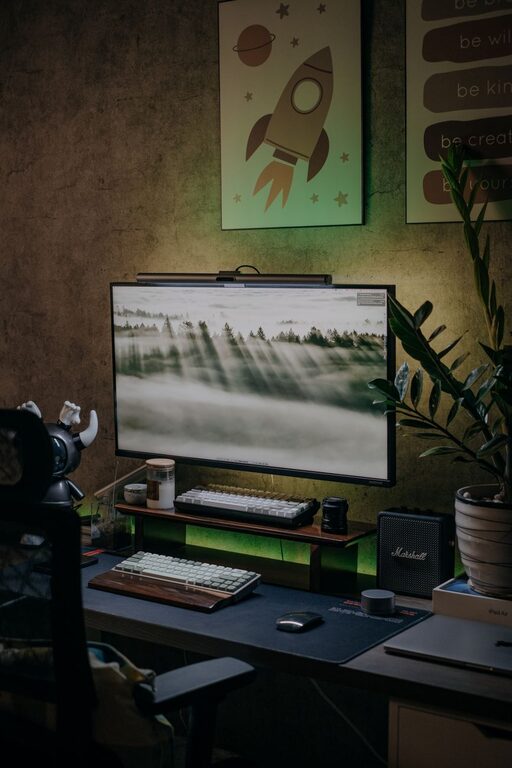
– Desk: Choose a desk with ample surface area to organise your materials without clutter.
– Chair: An ergonomic chair supports your posture and reduces back pain; adjust it to align your feet flat on the floor and keep your elbows at 90 degrees.
– Accessories: A footrest, monitor stand, or keyboard tray can enhance comfort and reduce physical stress.
Ergonomic investments pay off through improved focus and physical wellbeing.
Declutter and Organise
A tidy workspace helps clear your mind and prioritise tasks.
– Storage Solutions: Use shelves, drawers, or organising trays to keep important items within reach yet out of the way.
– Daily Tidy-Up: Spend a few minutes at the end of each day putting things back in place.
– Minimalism: Keep only the essentials on your desk to reduce distractions.
Organised workspaces foster clearer thinking and better time management.
Personalise Your Space Tastefully
Adding personal touches can make your workspace inviting without overwhelming it.
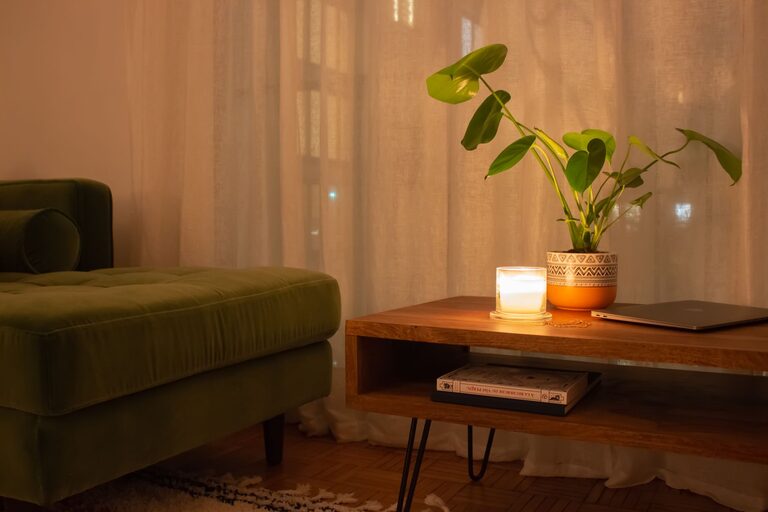
– Plants: Indoor plants purify the air and add a calming green touch.
– Artwork: Choose inspiring or gentle visuals that motivate or soothe.
– Lighting: Use soft desk lamps or candles, avoiding harsh overhead lights.
Balance is key—too many decorations may cause visual clutter, while a few thoughtful items create a pleasant atmosphere.
Manage Technology Wisely
Technology is essential but can also cause distractions or discomfort.
– Cable Management: Use clips or sleeves to keep wires tidy and prevent tangling.
– Screen Positioning: Set your monitor at eye level to reduce neck strain.
– Break Reminders: Use apps or alarms to remind yourself to take regular breaks.
Limiting digital interruptions and maintaining good posture contribute significantly to wellbeing.
Incorporate Relaxation Elements
Creating a space that encourages relaxation supports mental health and long-term focus.
– Aromatherapy: Subtle scents like lavender or eucalyptus can promote calm.
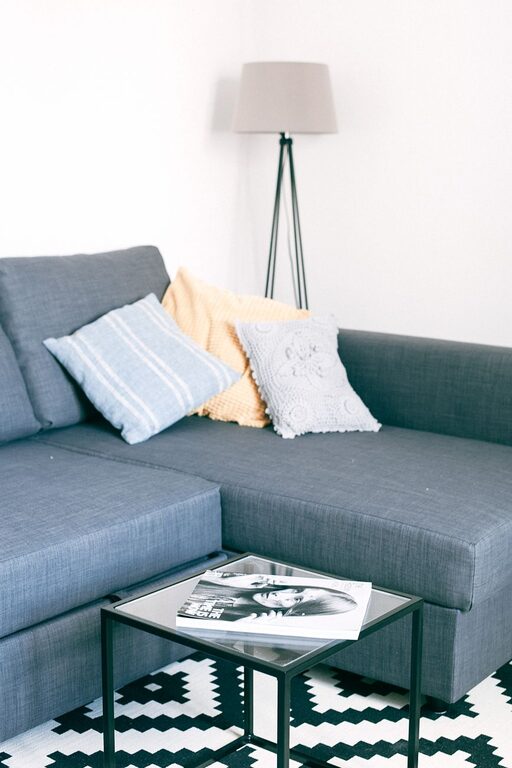
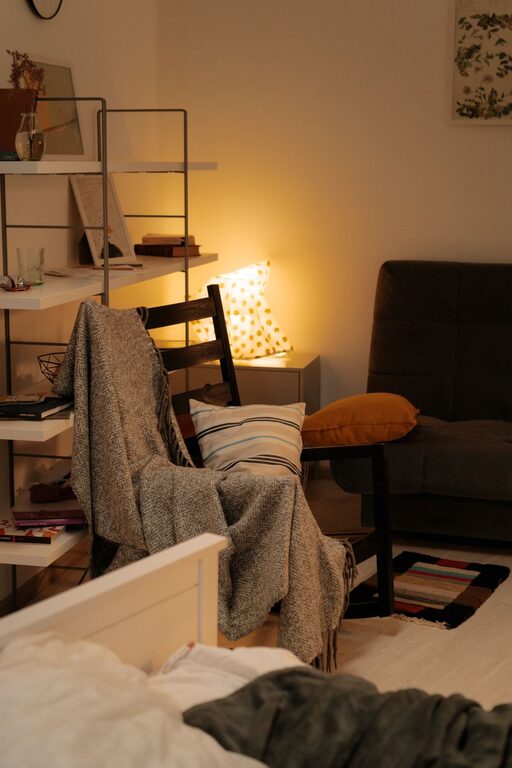
– Comfort Items: A soft cushion or a blanket can make your chair more comfortable.
– Sound: Consider gentle background music or white noise to mask disruptive sounds.
Incorporating relaxation features helps balance work demands and personal comfort.
Establish Daily Rituals
Routine can improve both productivity and workspace comfort.
– Morning Setup: Spend a few moments organising your desk before starting work to mentally prepare.
– Scheduled Breaks: Stand, stretch, or take short walks regularly.
– End-of-Day Wrap-Up: Clear your workspace and plan for the next day to reduce clutter and stress.
Rituals encourage a healthy work rhythm and a pleasant environment.
Maintain Good Air Quality
Fresh air enhances focus and prevents fatigue.
– Ventilation: Open windows regularly to let in fresh air.
– Air Purifiers: Consider these if your space is poorly ventilated.
– Plants: As mentioned, certain plants improve air quality naturally.
Clean, fresh air supports your physical wellbeing during long working hours.
Final Thoughts
Your home workspace is more than just a place to get work done; it’s a sanctuary where productivity and wellbeing can thrive together. By choosing the right location, investing in ergonomic furniture, keeping your area organised, personalising tastefully, managing technology efficiently, adding relaxation elements, establishing rituals, and maintaining good air quality, you set yourself up for success.
Take small steps to improve your workspace over time. The more comfortable and calming your environment, the easier it will be to focus, feel motivated, and enjoy your workday.
About the Author